How Postpartum Doula Services Support Healing After Birth
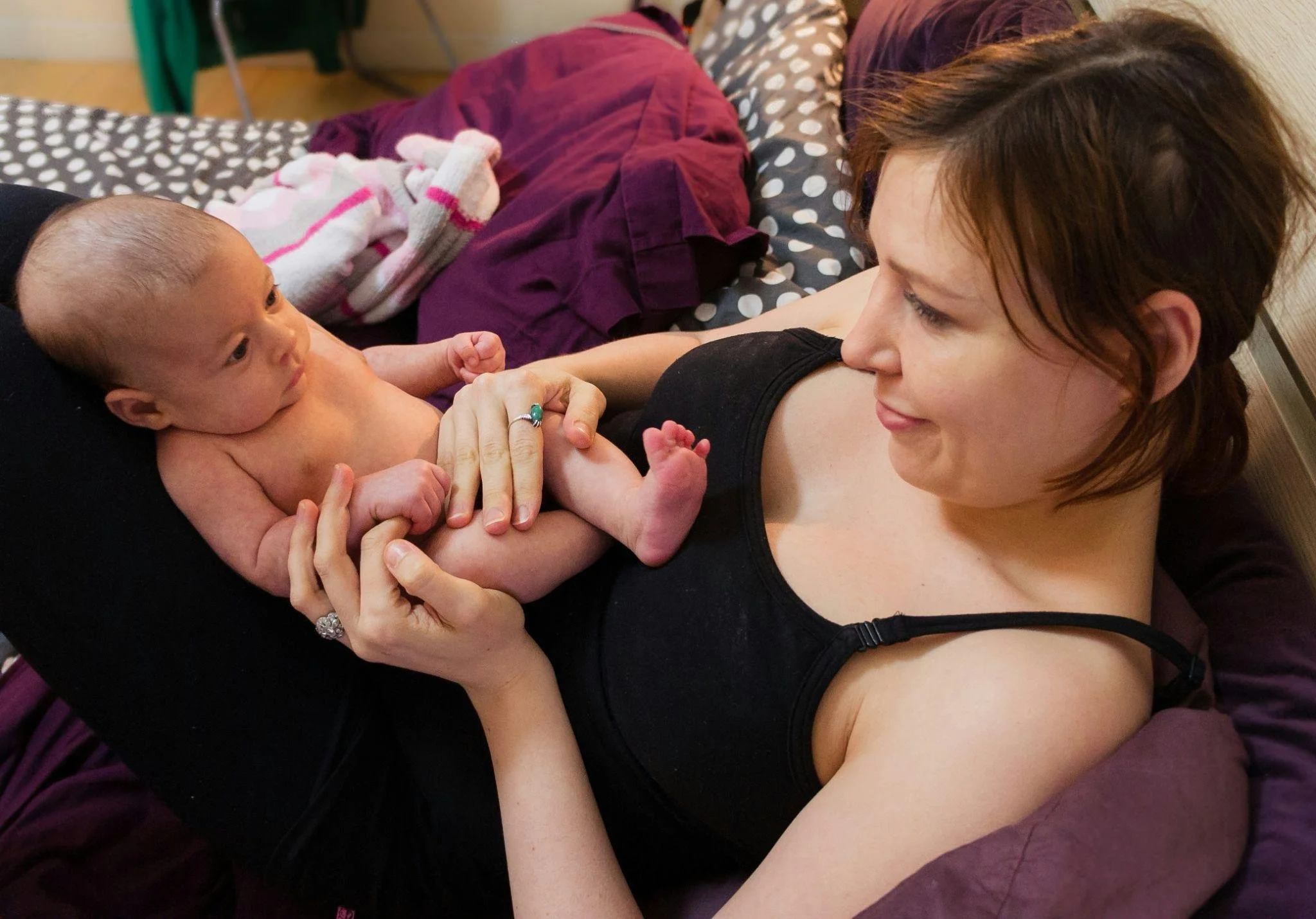
Welcoming a baby is one of life’s most profound transitions. While it brings immense love and joy, it also take a great deal of the mother’s vital resources. During pregnancy a mother is creating her baby, and after the labor of birth, while she recovers her energy and begin to lactate, her baby continues to depend on her in every way. The weeks post birth require time, warmth, nourishment, and attentive care for recovery to unfold.
During this early postpartum time, mothers are healing physically, adapting hormonally, and learning to care for a newborn. It is a sacred yet demanding season of life.
In many traditional cultures, the weeks following birth are treated as a protected period devoted to rest, nourishment, and attentive care. Yet in modern society, mothers are often expected to return to normal routines far too quickly. Without adequate support, recovery can feel fragmented and exhausting.
This is where postpartum doula services play a meaningful role. With knowledgeable, compassionate care, a postpartum doula helps create the conditions for mothers to truly recover, regain strength, and settle into motherhood with greater ease.
Understanding the Postpartum Healing Window
The postpartum period, often called the fourth trimester, is a time of profound physiological change.
During the weeks after birth, the body is:
recovering from labor or surgery
healing muscles and connective tissues
recalibrating hormonal rhythms
establishing milk production
adjusting to new sleep cycles
At the same time, mothers are navigating emotional shifts and the identity transition into parenthood.
Research continues to show that supportive care during this time — including therapeutic touch, nourishment, and emotional support — can improve circulation, lymphatic flow, hormone regulation, and overall wellbeing.
When mothers receive attentive care, recovery tends to unfold more smoothly. When support is lacking, exhaustion, overwhelm, and emotional distress may become more pronounced.
Postpartum doula services exist to ensure mothers are not left to navigate this vulnerable period alone.
Across many traditional cultures, the early postpartum period is treated as a protected window for healing. In Chinese medicine, Ayurveda, and many Indigenous traditions, the first weeks after birth are devoted to warmth, rest, nourishing foods, and hands-on care for the mother. These practices recognize that when a mother is supported in her recovery, the wellbeing of the entire family is strengthened.
These time-honored practices are explored more deeply in thecomplete guide to holistic postpartum recovery for new mothers, offering insight into how traditional wisdom continues to support modern healing.
What Are Postpartum Doula Services?
Postpartum doulas provide non-medical physical, emotional, and educational support for families after birth. Their role is not to replace healthcare providers, but to complement medical care with practical guidance and nurturing presence.
Typical postpartum doula services may include:
Emotional Support
The early postpartum period can bring unexpected emotions. A doula offers a calm, reassuring presence, creating space for mothers to speak openly about their experiences while gaining confidence in their new role.
Physical Recovery Support
Postpartum doulas often incorporate holistic recovery practices such as massage, gentle bodywork, and traditional postpartum care techniques that support the body’s natural healing processes.
Newborn Care Guidance
From soothing techniques to swaddling and bathing, doulas help parents learn practical newborn care skills while building confidence in responding to their baby’s needs.
Nourishing Food Preparation
Warm, nutrient-dense meals support postpartum recovery and breastfeeding. Many doulas assist with simple meal preparation or provide guidance around traditional healing foods.
Household Assistance
Light household support allows mothers to focus on rest, healing, and bonding with their baby.
Education and Resources
Doulas offer grounded information about breastfeeding, infant sleep rhythms, and maternal wellbeing.
Holistic postpartum care often integrates traditional wisdom — including Ayurvedic practices, therapeutic bodywork, and infant massage education — helping both the mother’s body and nervous system settle and restore.
Why Postpartum Healing Requires Intentional Support
Pregnancy and childbirth place significant demands on the body. After birth, the body must gradually restore balance by:
repairing muscles and connective tissues
stabilizing hormones
rebuilding pelvic and abdominal strength
replenishing energy stores
adapting to disrupted sleep patterns
Without adequate support, mothers may experience persistent fatigue, muscular discomfort, emotional overwhelm, or delayed recovery.
Postpartum doula services help ensure that healing remains a priority. Through attentive care and practical guidance, doulas create an environment where mothers can rest, recover, and gradually regain strength.
The Physical Healing Benefits of Postpartum Doula Care
One of the most valuable aspects of postpartum support is hands-on body care.
Therapeutic touch and restorative bodywork help encourage circulation, release muscular tension, and support the body’s natural healing process.
Revital Carroll integrates her background in Esalen massage, craniosacral therapy, Shiatsu, and traditional healing modalities into her postpartum doula services, offering bodywork that is both restorative and respectful of postpartum physiology.
Postpartum Massage and Bodywork
Postpartum massage is widely recognized as a supportive recovery practice. Research suggests massage therapy after birth may:
ease muscular tension and discomfort
improve circulation
support lymphatic drainage
promote relaxation and better sleep
Massage also encourages the release of oxytocin, a hormone associated with relaxation, bonding, and emotional wellbeing.
For mothers experiencing physical strain from breastfeeding, carrying their baby, or recovering from labor, therapeutic massage can offer significant relief.
When Deep Tissue Massage Postpartum May Be Helpful
Deep tissue massage postpartum can become beneficial once the body has moved beyond the earliest recovery stage. Pregnancy and labor often create patterns of muscular tension in the back, shoulders, hips, and pelvic region.
When applied with appropriate care and timing, deeper therapeutic techniques may help restore mobility, release chronic tension, and support structural recovery.
Deep tissue massage postpartum may help:
release tightness in the back and shoulders
restore mobility in the hips and pelvis
relieve muscular fatigue from feeding and carrying the baby
When performed by a practitioner experienced in postpartum physiology, deeper bodywork techniques can support gradual structural recovery and improve overall comfort.
Supporting the Nervous System
Birth and early motherhood can place significant strain on the nervous system. Sleep deprivation, hormonal shifts, and the constant care of a newborn often leave mothers feeling depleted.
Holistic postpartum care helps regulate the nervous system through:
therapeutic touch
restorative bodywork
guided relaxation
compassionate emotional support
When mothers feel safe and supported, the body can shift from a stress response toward deeper healing and restoration.
Emotional Support During the Postpartum Period
Postpartum recovery is not only physical — it is also deeply emotional.
Many new mothers experience:
anxiety about caring for their baby
feelings of isolation
exhaustion from disrupted sleep
identity shifts as they step into motherhood
Supportive presence during this time can significantly reduce stress and foster emotional resilience.
A postpartum doula provides steady companionship, reassurance, and grounded listening — helping mothers feel understood and supported during this transformative period.
Nourishment: The Foundation of Postpartum Recovery
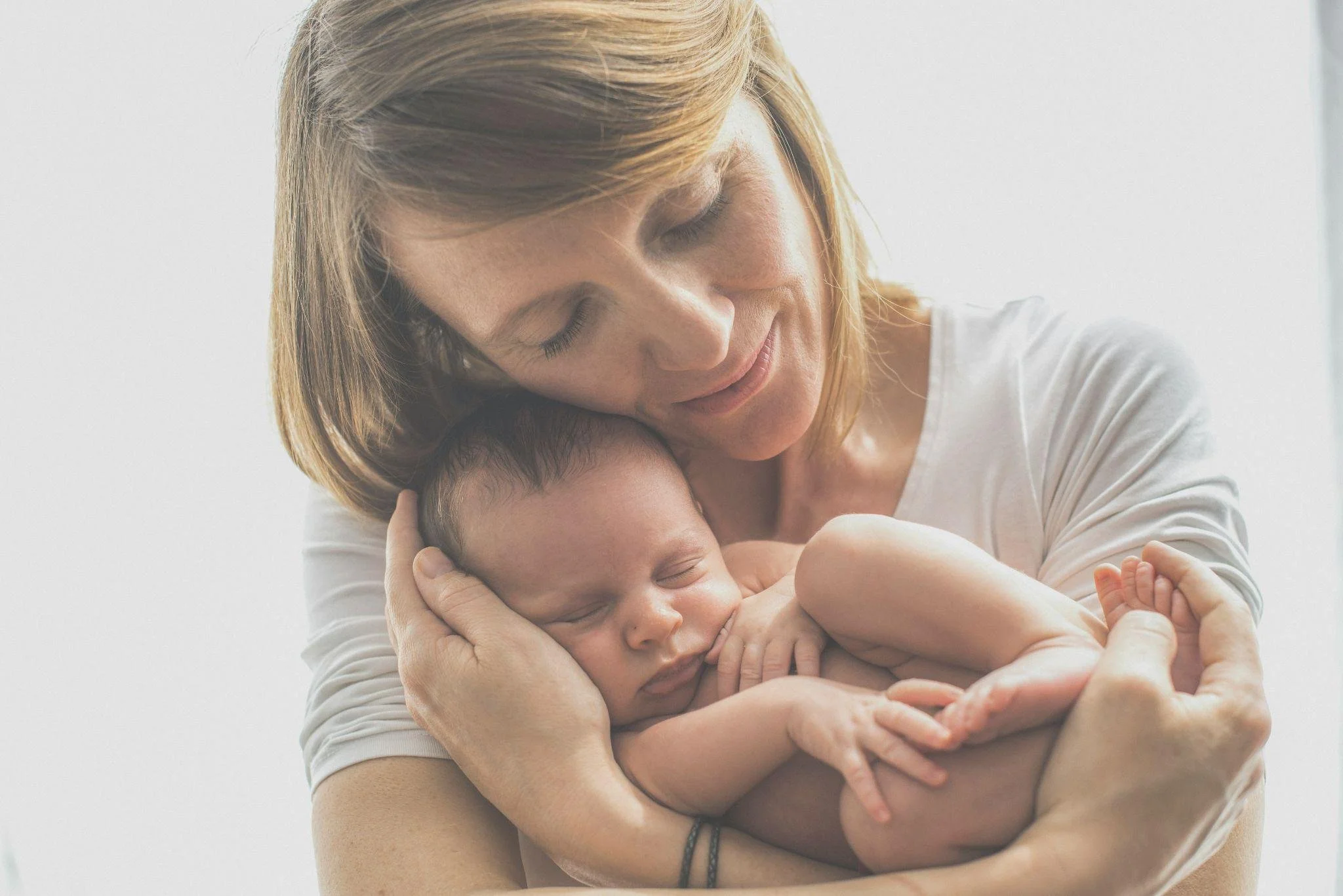
Across many cultures, traditional postpartum care emphasizes warm, nourishing foods that support recovery.
After birth, the body benefits from warm, easy-to-digest meals, including:
iron-rich foods
mineral-dense broths
healthy fats
quality protein
complex carbohydrates
consistent hydration
These nutrients support:
tissue repair
hormone balance
breast milk production
restoration of energy
Many postpartum doulas assist families with simple nourishing meals or provide guidance around supportive nutrition during early recovery.
Helping Mothers Rest and Recover
Rest is one of the most essential elements of postpartum healing — yet it is often the hardest for new mothers to access.
A postpartum doula helps create an environment where rest becomes possible by:
assisting with newborn care
supporting siblings
helping with light household tasks
encouraging restorative routines
When mothers are able to rest, their bodies can repair more efficiently, and emotional resilience improves.
Holistic Practices That Support Postpartum Healing
Many postpartum doulas integrate traditional practices that support the transition from pregnancy to motherhood.
These may include:
Belly Binding
Traditional abdominal wrapping helps support the core as muscles and connective tissues recover.
Infant Massage Education
Teaching parents infant massage strengthens bonding and promotes relaxation for both baby and parent.
Lymphatic Support
Gentle techniques may help reduce swelling and encourage circulation.
Closing Rituals
Some traditions include ceremonial “closing” practices that symbolically and physically support the mother’s transition after birth.
These approaches encourage balance, grounding, and integration during the postpartum period.
Building Confidence as a New Parent
The early weeks with a newborn can feel overwhelming for many families. Postpartum doulas provide practical guidance that helps parents develop confidence.
This may include support with:
soothing techniques
comfortable feeding positions
understanding infant sleep patterns
establishing gentle daily rhythms
With compassionate guidance, families often move through the postpartum transition with greater ease.
Families seeking postpartum doula services often find that this kind of holistic support makes the early weeks after birth far more restorative and manageable.
The Long-Term Benefits of Postpartum Doula Services
Support during the postpartum period can have lasting effects on maternal wellbeing.
Families who receive postpartum doula care often experience:
smoother physical recovery
improved emotional health
stronger parent-infant bonding
increased parental confidence
reduced risk of postpartum depression
Investing in postpartum care supports the health of both mother and baby long after the early weeks have passed.
Final Thoughts
The postpartum period is a powerful time of transformation. With the right care, it can also be a time of profound healing and renewal.
The weeks following birth are not simply a time to “bounce back.” They are a sacred window for restoration, integration, and the gradual emergence of a new mother. With attentive care, nourishing food, emotional support, and restorative bodywork such as deep tissue massage postpartum, mothers can heal deeply and regain their strength.
Postpartum doula services exist to ensure that mothers receive the same level of care they so generously offer their newborns.
Frequently Asked Questions
What does a postpartum doula do?
A postpartum doula provides practical, emotional, and educational support for families after birth. This may include newborn care guidance, breastfeeding support, recovery assistance, and help with establishing gentle daily rhythms during the early postpartum period.
How long should postpartum doula support last?
Many families benefit from postpartum doula support during the first six weeks after birth. However, some continue receiving support for several months as they adjust to life with a newborn.
Is postpartum massage safe after birth?
Postpartum massage is generally safe when performed by a practitioner experienced in postpartum care. It can help improve circulation, reduce muscle tension, and support recovery after childbirth.
What are the benefits of deep tissue massage postpartum?
Deep tissue massage postpartum may help relieve muscular tension in the back, hips, and shoulders while improving circulation and mobility. It is typically introduced once the body has progressed beyond the earliest stage of postpartum healing.
Can postpartum doulas support emotional wellbeing?
Yes. Postpartum doulas provide compassionate presence and emotional reassurance during the early weeks of motherhood. This support can help reduce stress and foster confidence as families adjust to life with their newborn.