Holistic Postpartum Recovery: A Complete Guide for New Mothers
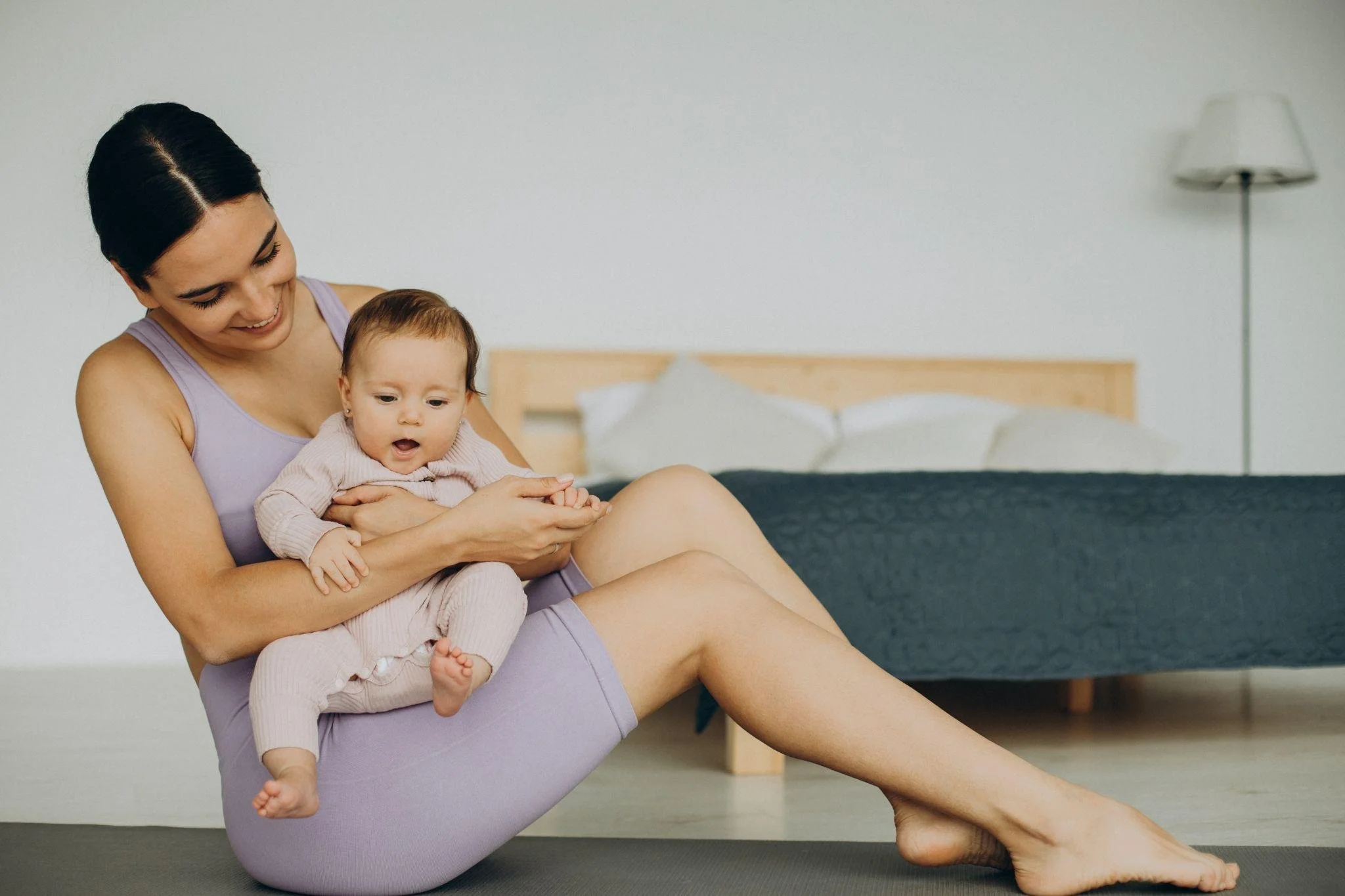
Becoming a mother changes everything. Your body shifts. Your emotions expand. Your identity evolves. Pregnancy reshape you in powerful ways. During your birthing journey you move through a profound transformational experience initiating you into a new stage of life - motherhood. The early weeks that follow require patience, nourishment, and attentive care for your recovery to unfold.
Holistic postpartum recovery recognizes that healing after birth is not only physical. It is emotional, hormonal, neurological, and deeply personal. When mothers are supported with rest, warmth, nourishment, and compassionate care, recovery unfolds smoothly and naturally.
Postpartum Doula Support
Families seeking postpartum doula support in Santa Cruz often value a combination of practical assistance and holistic care. Santa Cruz County has a strong culture of natural health, community connection, and family-centered birth practices.
Revital Carroll provides postpartum doula support throughout Santa Cruz County, including Capitola, Aptos, Soquel, Scotts Valley, Felton, and surrounding communities. Her work blends traditional postpartum wisdom, therapeutic bodywork, and modern evidence-based guidance to support mothers through the first 40 days postpartum and beyond.
For many families, having a knowledgeable postpartum doula brings reassurance, practical help, and compassionate care during the earliest weeks of parenthood.
Postpartum doula support in Santa Cruz offers an important layer of care during this time. Doula support provides practical assistance, emotional grounding, and traditional wisdom that help mothers move through early motherhood with greater ease.
The Postpartum Healing Window
The postpartum period—often called the fourth trimester—is a time of profound physiological change. The body works at restoring and recalibrating immediately after the intensity of pregnancy and birth.
During this healing window, the body is:
recovering from labor (and/or surgery)
repairing muscles and connective tissues
recalibrating hormones
establishing breast milk production
adapting to disrupted sleep patterns
Mothers are navigating emotional shifts and the identity transition into Matrescence.
Without adequate support, this period can feel overwhelming. With proper care, however, the postpartum window can become a time of profound restoration and transformation.
The First 40 Days Postpartum
Across many traditional cultures, the first 40 days postpartum are recognized as a sacred period devoted to rest and recovery.
In Chinese medicine, Ayurveda, and many Indigenous traditions, new mothers are encouraged to prioritize rest, warmth, nourishing foods, hands-on care, and emotional support. These traditions understand that when a mother is deeply supported in her healing, the wellbeing of the entire family is rewarded.
In modern life, however, many mothers feel pressure to resume normal routines far too quickly. Intentional postpartum care helps slow this pace and create space for healing.
Physical Recovery After Birth
The physical recovery process after birth is remarkable and deserves careful attention.
During the postpartum window, the body works to:
restore pelvic floor tone
strengthen abdominal muscles
regulate hormonal shifts
repair stretched or strained tissues
rebuild energy reserves (vitality)
These changes occur gradually. Rest, nourishment, and compassionate body care help support the body’s natural repair mechanisms.
When mothers receive the care they need during this time, they tend to experience a smoother recovery and greater long-term well-being.
Emotional and Nervous System Recovery
Postpartum healing is not only physical. The nervous system also undergoes major adjustments.
Sleep deprivation, hormonal fluctuations, and the demands of caring for a newborn can leave mothers feeling overwhelmed or emotionally vulnerable.
Many new mothers experience:
heightened emotional sensitivity
anxiety or uncertainty
identity shift
periods of exhaustion
Supportive presence during this time can significantly improve emotional well-being. Compassionate listening, reassurance, and nurturing care help mothers feel grounded and understood as they adapt to their new role.
The Role of Postpartum Doula Support
Many families searching for postpartum doula support in Santa Cruz are seeking knowledgeable guidance during the early weeks after birth.
A postpartum doula provides non-medical physical, emotional, and educational support to help mothers recover and families adjust to life with a newborn.
Postpartum Doula support in Santa Cruz may include:
emotional reassurance and listening
newborn care education
breastfeeding guidance
light household support
practical recovery guidance
nourishment preparation
assistance in establishing restful routines
Doulas help create a supportive environment where mothers can focus on healing and bonding with their baby.
Nourishment and Warming Foods
In traditional cultures around the world, postpartum recovery centers around warm, nutrient-dense foods that help restore energy and support healing.
After birth, the body benefits from:
mineral-rich broths
iron-rich foods
high quality protein
healthy fats
warming spices
consistent hydration
These nutrients support tissue repair, hormone balance, breast milk production, and energy restoration.
Many postpartum doulas assist with simple meal preparation or offer guidance around traditional nourishing foods that promote recovery.
Postpartum Bodywork and Massage
Touch is a powerful form of healing. Massage and therapeutic bodywork have long been part of traditional postpartum care.
Caring postpartum bodywork may help:
improve circulation
support lymphatic drainage
reduce muscular tension
encourage nervous system relaxation
promote tissue healing
Revital Carroll integrates her background in Ayurveda, Chinese Medicine, Esalen Massage, Shiatsu, Craniosacral Therapy, and other traditional healing practices into her postpartum care. Each session adapts to the mother's individual recovery needs, supporting the body's natural healing processes while complementing medical care.
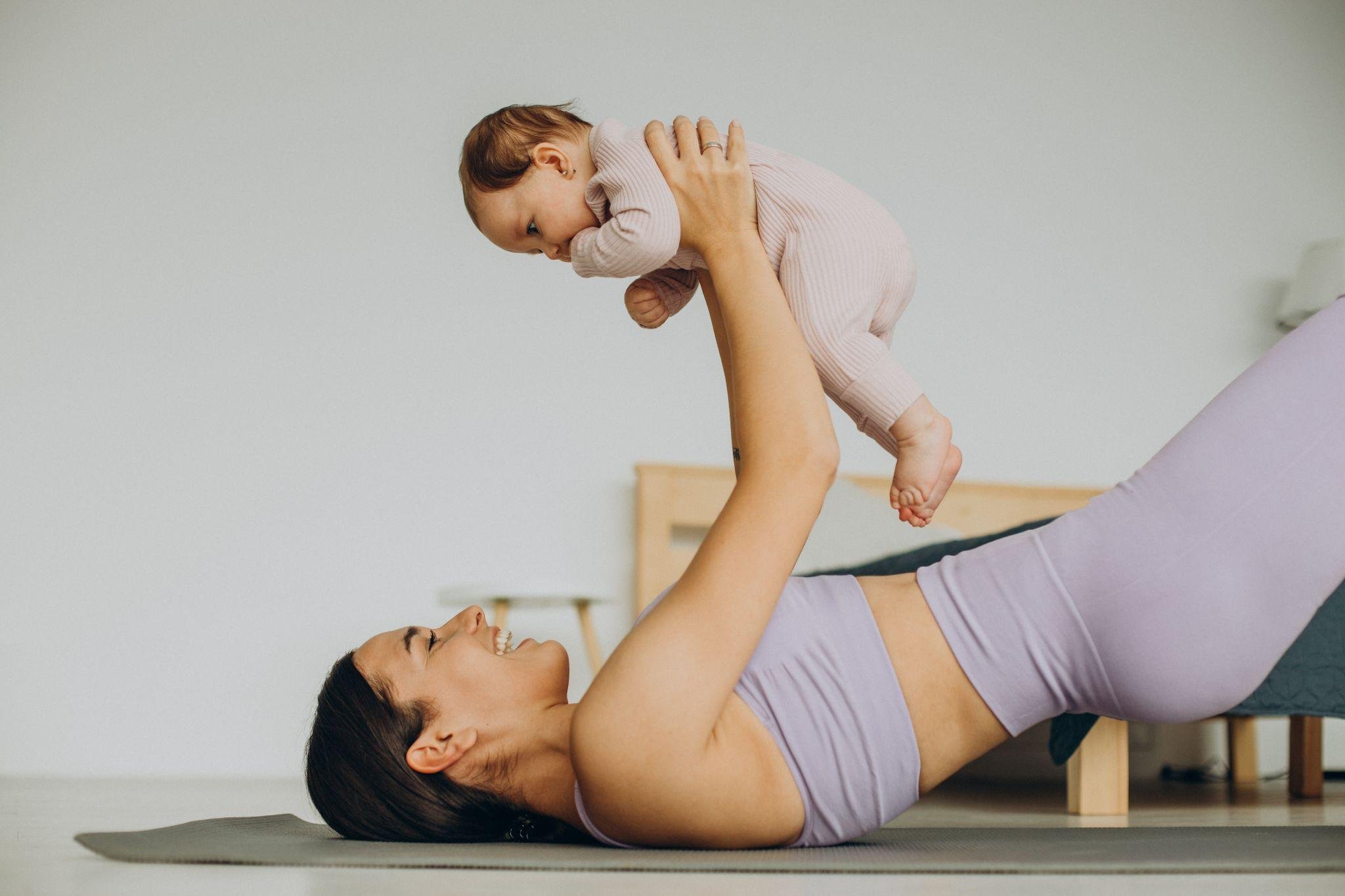
Rest and Community Support
Rest is one of the most important yet most difficult elements of postpartum recovery.
New mothers often find themselves balancing newborn care, household responsibilities, and navigating an emotionally vulnerable time all at once. Practical support can make rest achievable.
Postpartum doula services often include:
newborn soothing support
sibling engagement
light household tasks
Guidance with restorative routines (self-care)
When practical responsibilities are supported, mothers can relax into their new role and focus on bonding with their baby.
Community support plays an important role as well. Relatives and friends can help create a nurturing environment where mothers feel held and nourished.
When Should Mothers Seek Extra Support?
While postpartum recovery is a natural process, some mothers benefit from additional support.
Extra care may be helpful if a mother is experiencing:
persistent physical discomfort
difficulty breastfeeding
significant exhaustion
emotional distress or anxiety
lack of practical support at home
Seeking help is not a sign of weakness. It is a way of ensuring that both mother and baby thrive.
Postpartum doula provides guidance, reassurance, and practical assistance, as well as advice a mother to seek professional support when needed.
A Gentle Invitation
The perinatal journey from pregnancy to brith to postpartum is a profound metamorphosis. The first 40 days postpartum do not have to feel rushed or isolating. With the right care, this sacred window can become a time of deep restoration, strength-building, and joyful bonding.
Families seeking postpartum doula support in Santa Cruz often find that holistic care—combining nourishment, bodywork, emotional guidance, and practical help—makes the transition into parenthood far more manageable and nurturing.
If you are expecting, or have recently welcomed a baby, reaching out for guidance and care can be a powerful act of self love.
You do not have to navigate this journey alone.
Learn More About Holistic Postpartum Care
If you are preparing for postpartum recovery, these resources may also be helpful:
• How Postpartum Doula Services Support Deep Healing After Birth
• Who Benefits Most from Doula Support in Santa Cruz
• Who Should Hire a Doula in Santa Cruz
• How to Get Doula Care Covered by Insurance in California
These articles explore additional ways postpartum doula support can help mothers recover, rest, and adapt to life with a newborn.
Frequently Asked Questions
What does postpartum doula support include?
Postpartum doula support typically includes emotional guidance, newborn care education, breastfeeding support, recovery assistance, and practical help around the home. The goal is to help mothers heal and families adjust smoothly during the early weeks after birth.
What is the 40-day postpartum period?
The first 40 days postpartum are traditionally viewed as a protected window of healing. During this time, mothers focus on rest, nourishment, bonding with their baby, and gradual physical recovery.
Can insurance cover doula support?
In California, some insurance plans; Medi-Cal and others, now cover doula services. Coverage may include prenatal visits, labor support, and postpartum care, depending on your plan.
How does postpartum bodywork support recovery?
Postpartum massage and therapeutic bodywork may help improve circulation, reduce muscular tension, support lymphatic flow, soothe the nervous system, and promote relaxation during recovery.
Can doulas help with breastfeeding and newborn care?
Yes. Postpartum doulas often provide guidance on breastfeeding positions, latching support, soothing techniques, and newborn care practices that help parents feel confident in responding to their baby’s needs.